
Signs You Need to Call a Tree Removal Company Today
Maintaining the trees on your property is a vital part of homeownership that ensures both aesthetic beauty and physical safety. While trees offer shade and value, there are specific moments when a tree transitions from an asset to a significant liability. Recognizing the warning signs early can prevent property damage and keep your family safe from unpredictable collapses.
Identifying Structural Damage to the Trunk
The tree trunk is the backbone of any tree, and its integrity is non-negotiable for stability. If you notice deep vertical cracks, seams, or large areas of missing bark, these are primary indicators that the internal structure is failing. A professional tree removal company can assess whether these wounds are superficial or if they signal a hollow core that could lead to a catastrophic snap during a storm. Furthermore, the presence of "cankers"—sunken areas of dead bark—suggests a fungal or bacterial infection that weakens the wood's strength. When the main support system of a tree is compromised, the risk of a fall increases exponentially, making it a priority for removal.
Recognizing Fungal Growth and Internal Decay
Fungi are often the most visible signs of a dying tree, appearing as mushrooms or shelf-like brackets growing near the base or on the trunk. These growths, known as conks, indicate that the tree is rotting from the inside out, even if the leaves still appear green and healthy. Internal decay destroys the structural cellulose of the wood, leaving the tree brittle and incapable of supporting its own weight. Once decay has reached a certain threshold, the tree is no longer a candidate for pruning or treatment; it must be addressed by a tree removal company. Ignoring these fungal warnings often leads to a situation where the tree falls without the intervention of wind or rain, simply because it can no longer stand.
Evaluating the Hazards of Overhanging Branches
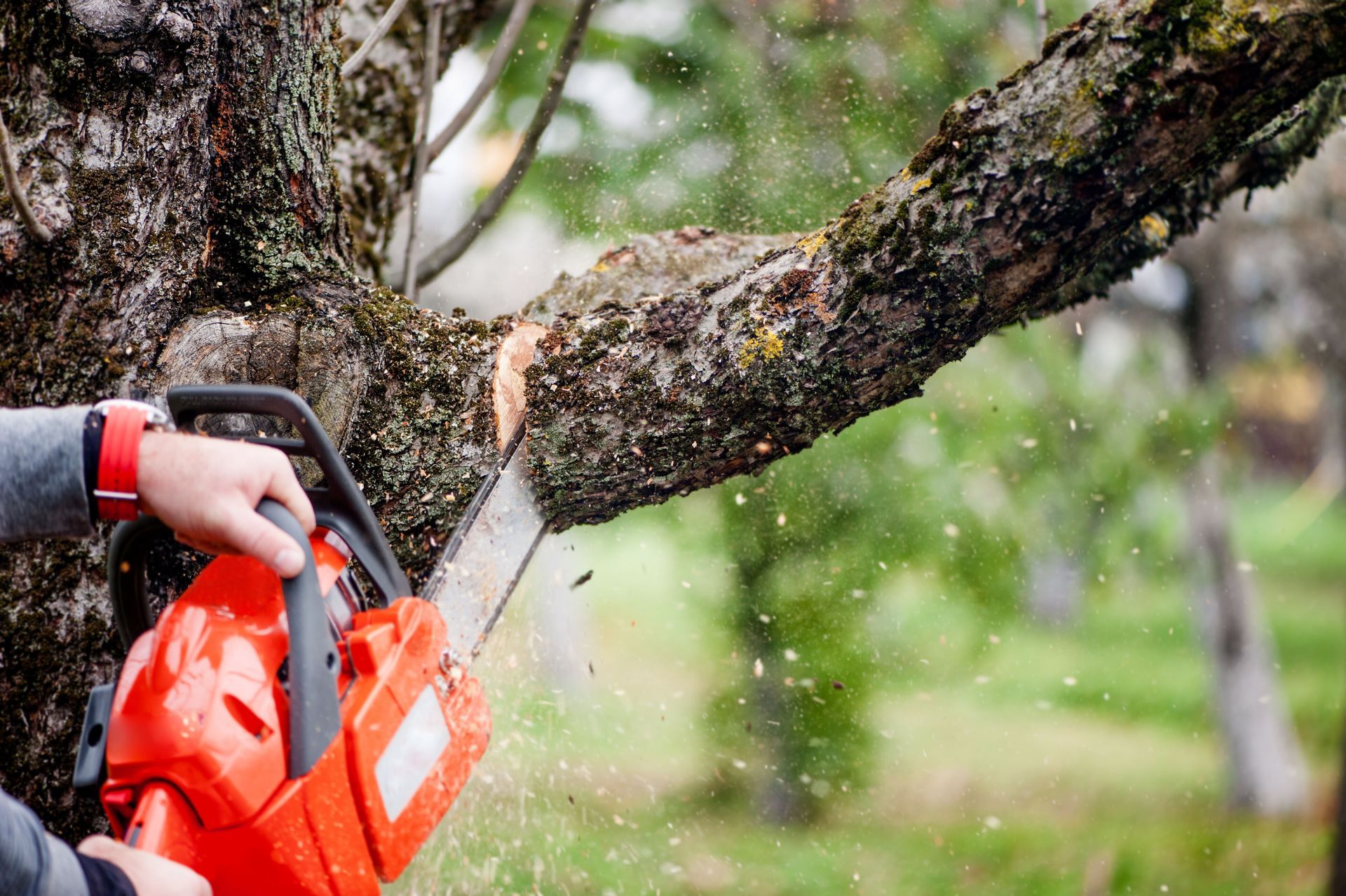
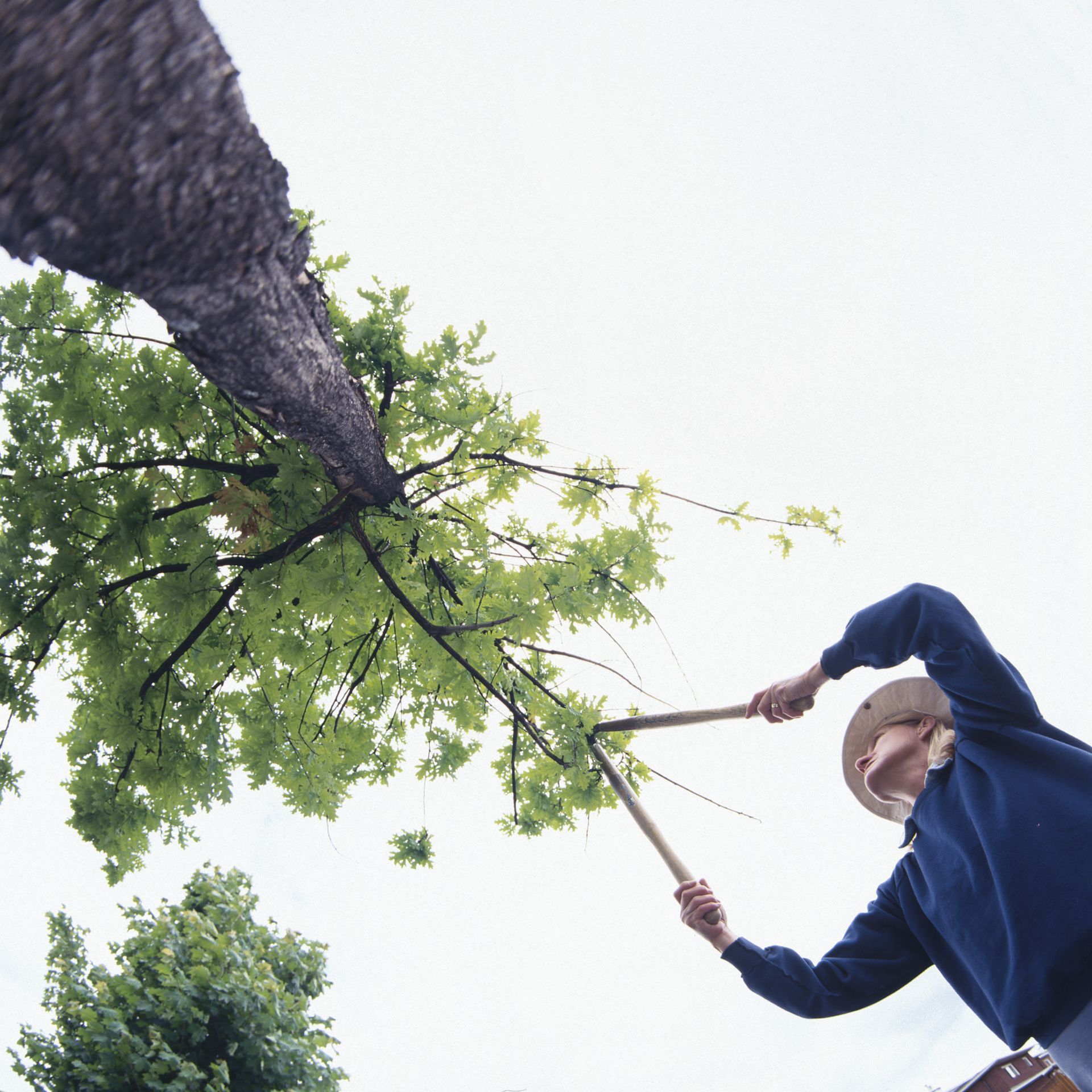
Large, dead branches located high in the canopy are often referred to as "widow-makers" for a reason. These limbs can break off at any time, posing a lethal threat to anyone walking below or causing thousands of dollars in damage to roofs, cars, and power lines. If you see branches with no bark or leaves while the rest of the tree is thriving, it is a sign of localized death that could spread. Professional intervention is necessary because DIY branch removal is incredibly dangerous, especially at significant heights. According to the Tree Care Industry Association, falls account for about 40% of fatal incidents among tree workers, underscoring the importance of stringent safety protocols. Engaging a certified crew ensures that high-altitude hazards are managed with the proper rigging and safety gear.
Monitoring Changes in the Soil and Roots
A tree’s root system is its anchor, and any disturbance to the ground around the base can be a sign of imminent failure. If you notice "heaving" soil—where the earth is lifting or cracking on one side of the tree—it usually means the roots are pulling out of the ground. This often happens alongside a sudden lean, indicating that the tree is in the process of tipping over. Additionally, the presence of fungus growing on the soil near the root flare is a symptom of root rot, a terminal condition for most species. Because the roots are hidden underground, these surface-level changes are the only warnings you will get before a tree loses its grip entirely.
Assessing the Impact of Disease and Pests
Invasive species and diseases can sweep through a neighborhood, turning healthy landscapes into hazard zones in a single season. Signs of infestation include "D-shaped" exit holes from wood-boring beetles, thinning canopies, or premature yellowing of leaves in the spring. Once a tree is heavily infested or diseased, it becomes a breeding ground that can infect every other tree on your property. Removing a diseased tree is not just about clearing a hazard; it is a defensive move to save the rest of your urban forest. A tree removal company has the expertise to dispose of the wood properly so that larvae or spores do not continue to spread after the tree is cut down.
Analyzing a Sudden or Severe Lean
While some trees naturally grow at an angle, a sudden change in the lean of a tree is a critical emergency. If a tree that was once straight is now tilting toward your home or the street, it indicates that the structural support has failed due to wind, saturated soil, or root breakage. Trees leaning more than 15 degrees from vertical rarely recover and are highly susceptible to gravity. This is particularly dangerous if the lean is in the direction of a "target," such as a bedroom, a driveway, or a neighboring fence. Contacting a tree removal company immediately is the only way to control the descent of the tree before nature takes its course and causes an uncontrolled crash.
Observing Proximity to Power Lines and Structures
As trees grow, their relationship with the surrounding environment changes, often leading to dangerous encroachment on infrastructure. Trees that grow into power lines create fire hazards and the potential for neighborhood-wide outages during high winds. Similarly, trees that are planted too close to a house can cause foundation issues as roots expand or lead to moisture damage on the siding and roof due to constant shade and debris. When a tree outgrows its space, it often reaches a point where pruning is no longer sufficient to keep it away from the house. In these cases, a tree removal company provides the necessary clearance to protect your home’s structural integrity and ensure that utility lines remain unobstructed.
Understanding the Risks of Storm-Damaged Trees
After a severe weather event, many trees are left in a state of "partial failure," where they are cracked or leaning but have not yet fallen. These trees are incredibly deceptive because they may look stable while being held up only by a few splinters of wood or a neighboring tree. Heavy winds can cause internal cracks that are not visible from the outside but leave the tree hollowed of its strength. It is essential to have a post-storm inspection to identify these hidden dangers. A tree removal company can use specialized equipment to safely dismantle a storm-damaged tree that is under extreme tension, preventing a secondary accident during the cleanup process.
Considering the Longevity and Health of the Landscape
Sometimes, the removal of a tree is a matter of long-term landscape health rather than an immediate emergency. Overcrowded yards lead to competition for sunlight and nutrients, causing all the trees in the area to become stunted and weak. By identifying a "low-value" or declining tree for removal, you allow the surrounding healthy trees the space they need to thrive and grow to their full potential. This selective thinning is a common practice among professional arborists to improve the overall resilience of a property.
Determining when a tree has reached the end of its life is an essential responsibility for any property owner. By keeping a close eye on the trunk, roots, and canopy, you can spot the warning signs of decay and instability before they turn into a crisis. Professional intervention remains the safest and most effective way to manage these natural giants and protect your home for years to come. If you want to learn more about tree removal, contact Hawthorne Tree Service today!
Share On: