
Essential Tree Services to Keep Your Property Safe and Beautiful
Proper tree services and maintenance are crucial for both the safety and aesthetic appeal of residential properties. With well-maintained trees, homeowners can enjoy a beautiful landscape that enhances the value of their property. Besides aesthetics, regular tree services help prevent potential hazards such as falling branches, which can cause damage or injury. By understanding the essential tree services required, property owners can take preventive action to safeguard their surroundings. Furthermore, maintaining healthy trees can positively affect the local ecosystem by promoting biodiversity and cleaner air.
Tree Pruning and Trimming
Importance of Regular Pruning
Pruning is more than just a cosmetic procedure for trees; it's vital for their overall health and longevity. Regular pruning helps to remove dead or diseased branches, allowing the tree to direct its energy toward new and healthy growth. This not only improves the tree's appearance but also reduces the risk of branch breakage during storms, ensuring safety for people and property. Additionally, pruning can help in managing pests and diseases by removing infected parts of the tree. Overall, keeping up with pruning schedules can greatly enhance the resilience and aesthetics of a tree.
Techniques for Effective Trimming
Different trimming techniques have distinct purposes and should be selected according to the tree’s needs. Crown lifting involves removing lower branches to permit pedestrian or vehicle clearance and improve light penetration under the crown. Thinning, on the other hand, is the selective removal of branches to improve air and light penetration through the crown, thus reducing wind resistance. Finally, crown reduction is a technique used to decrease the overall size of the tree, especially when it poses a risk to nearby structures. Employing the correct technique ensures the tree maintains its health and structure.
Timing for Pruning Different Tree Species
The timing of pruning is critical to avoid damage and encourage healthy growth. While some species, such as oaks, fare better with late winter pruning, others like the maple are best pruned in early spring or late summer. Pruning at the right time can prevent the spread of diseases and pests that might enter through fresh cuts. It's essential to research or consult an arborist to understand the specific needs of each tree species on your property. Following species-specific guidelines helps in maximizing the benefits of pruning while minimizing potential harm.
Tools and Equipment for Trimming
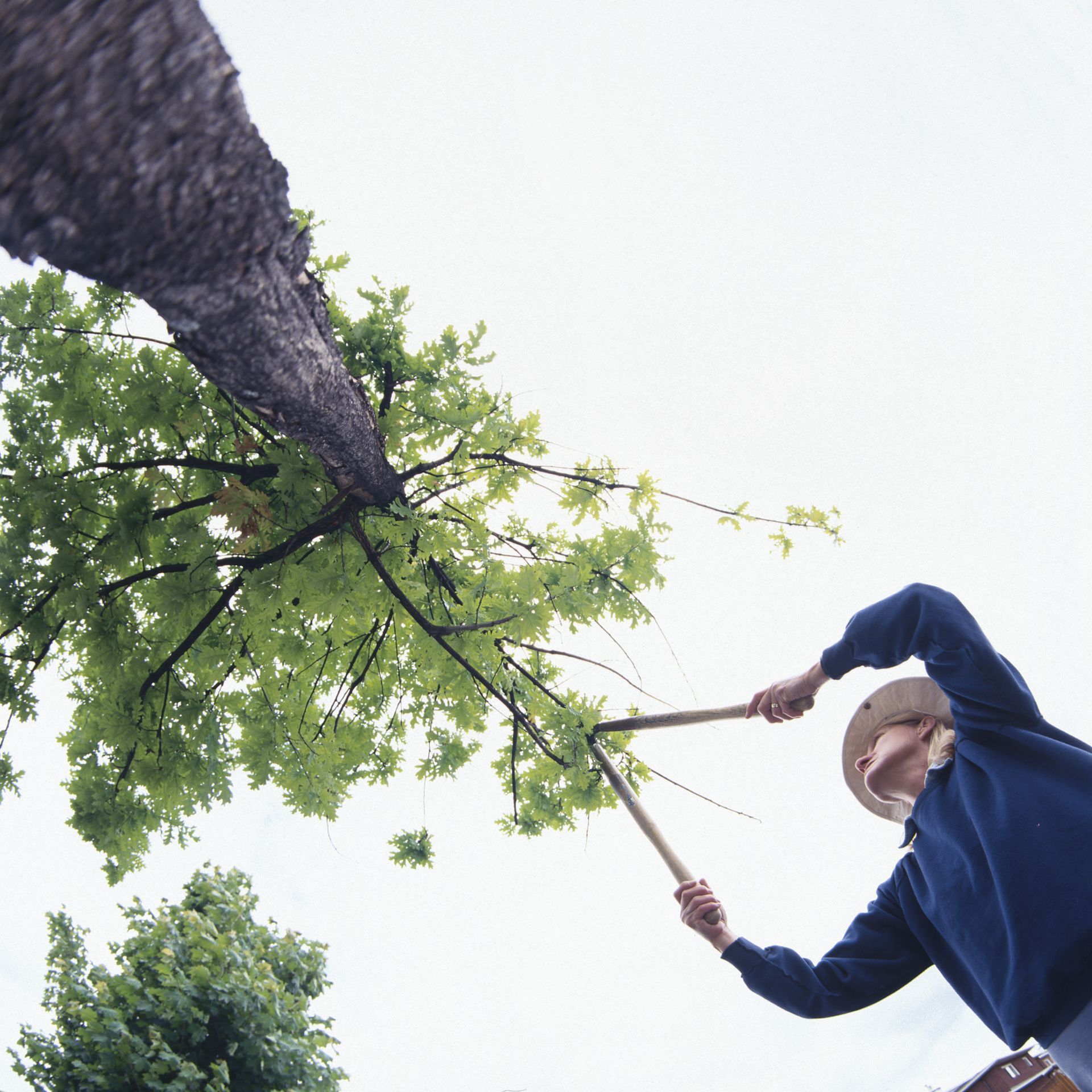
Having the right tools for pruning is essential for both the health of the tree and the safety of the person doing the pruning. Essential tools include pruning shears, loppers, saws, and pole pruners, each suitable for different branch thicknesses. Maintaining these tools is equally important, as sharp and well-oiled equipment can make cleaner cuts, reducing the chance of disease entry. Additionally, safety gear such as gloves, goggles, and helmets should be used to protect against the inherent risks of pruning. According to the American National Standards Institute (ANSI), the Z133 Safety Requirements for Arboricultural Operations provides guidelines that are integral to tree trimmer safety training, covering topics like electrical hazards, use of equipment, and work procedures.
Safety Precautions During Pruning
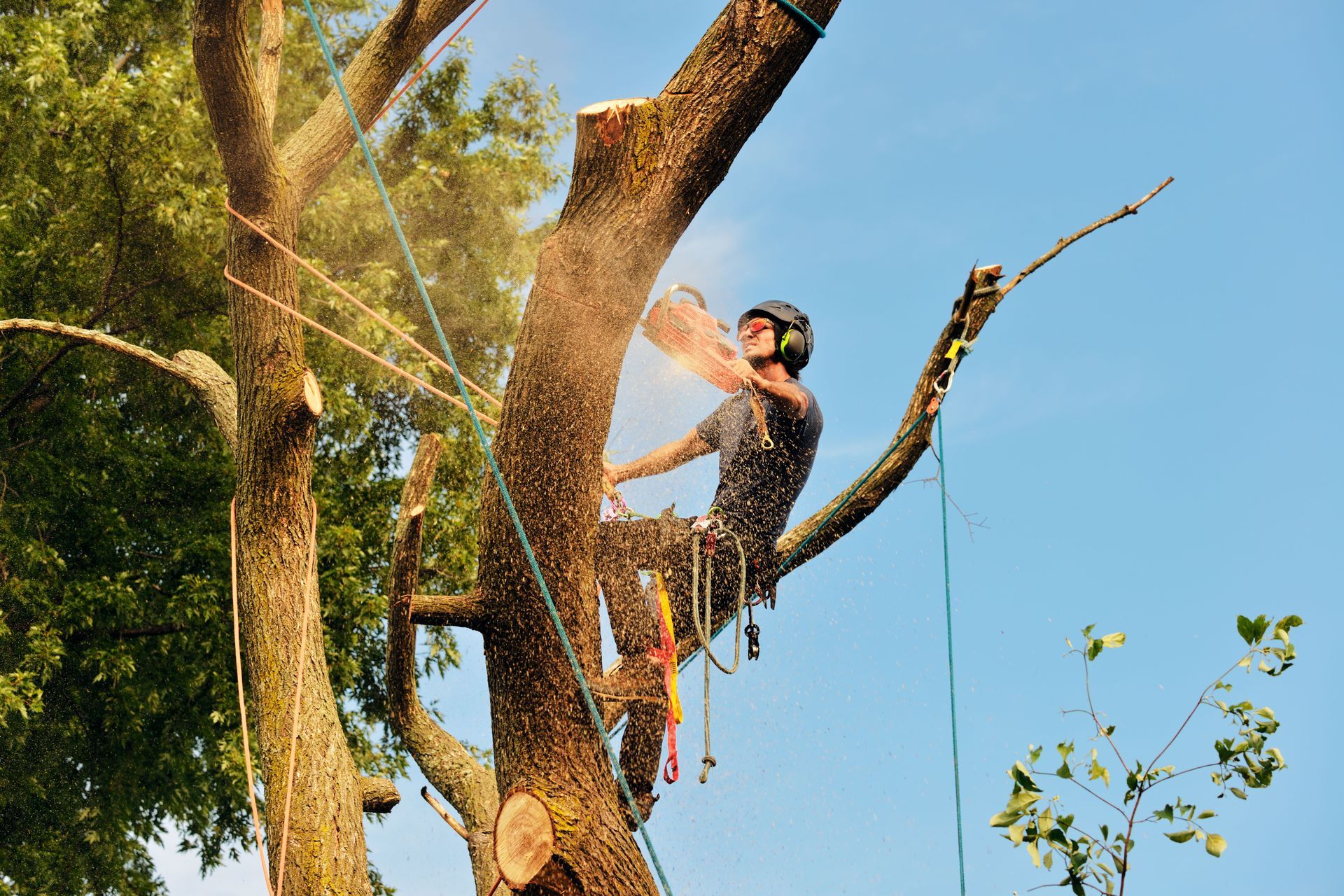
Safety is paramount when engaging in any tree maintenance activities, especially pruning. Before starting, it's crucial to assess the work area for potential hazards like unstable branches or electric wires. Wearing the appropriate personal protective equipment such as gloves, helmets, and eye protection reduces the risk of injury. It's also important to use ladders or platforms safely, ensuring they are stable and at the correct height. By following comprehensive safety guidelines and the ANSI Z133 standards, one can prevent accidents and ensure a safe working environment.
Tree Removal
Identifying Trees for Removal
Determining whether a tree needs to be removed involves evaluating several risk factors. A tree may need removal if it is dead, dying, or has become hazardous due to disease or structural instability. Inspecting a tree for signs like leaning, decaying roots, or large dead branches can indicate potential hazards. Near buildings, a tree might pose a risk to foundations or utility lines, necessitating removal for safety reasons. Consulting with a certified arborist can provide a professional assessment and guide the decision for removal.
Methods for Safe Tree Removal
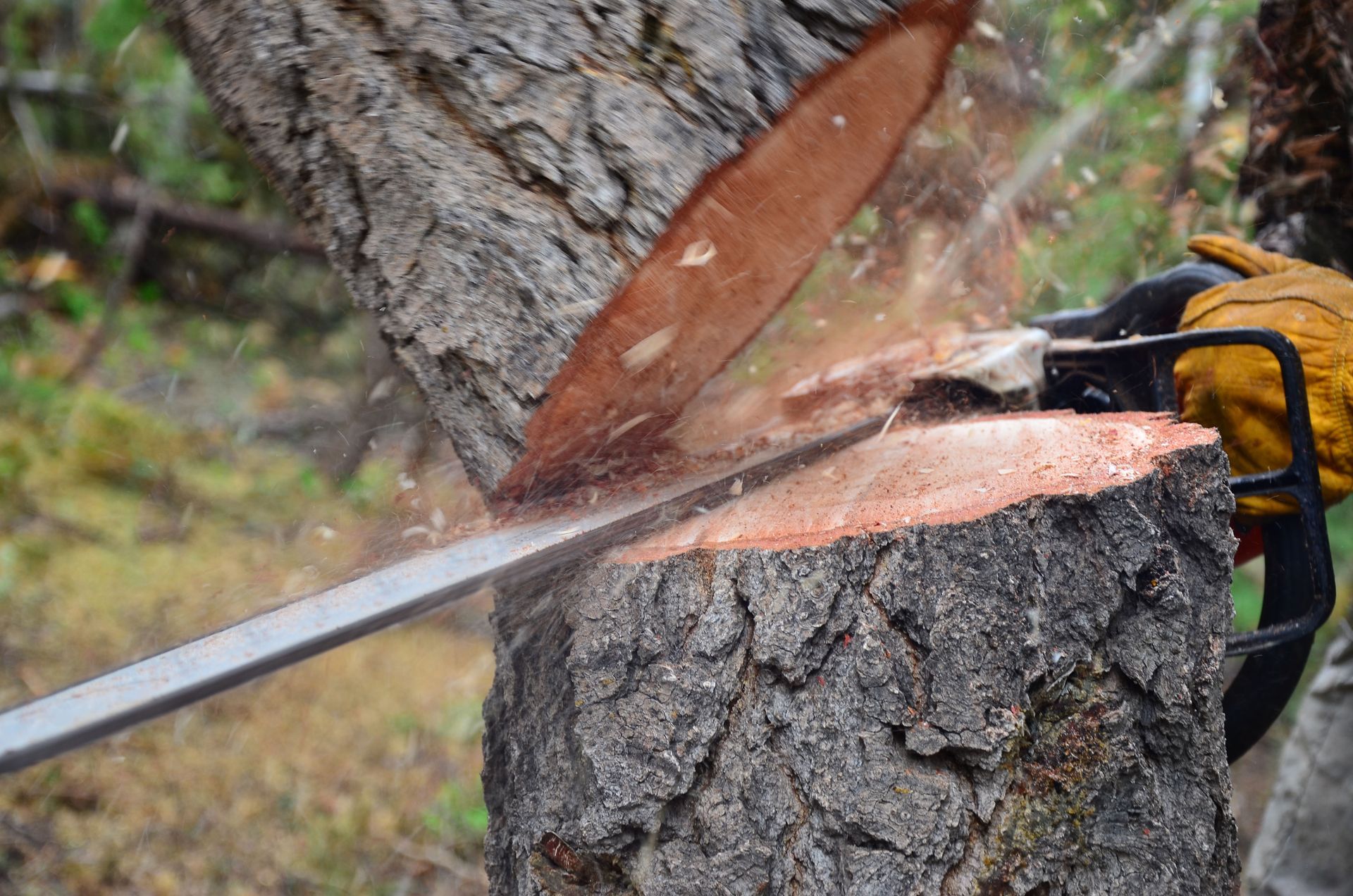
Safe tree removal is a complex procedure that requires skill and precision to avoid damage to surrounding property. Sectional dismantling, where the tree is removed in parts from the top down, is often used in tight spaces or where the tree is leaning against a structure. Alternatively, whole tree felling can be employed when there is ample space and no risk to nearby structures. Advanced techniques involving cranes or bucket trucks might be required for particularly large or inaccessible trees. Ensuring proper execution of these methods minimizes risk and ensures a safe removal process.
Environmental Considerations
Tree removal can have significant environmental impacts, and it's crucial to approach it responsibly. Trees provide habitat for wildlife, so care should be taken to assess whether removal is absolutely necessary. When feasible, aspects of the tree, like woodchips or logs, can be repurposed or donated for ecological projects. Planting new trees following removal can help mitigate environmental loss and maintain local biodiversity. Being conscious of these factors ensures that tree removal is conducted with an eye toward sustainability and environmental preservation.
Hiring Professional Tree Removal Services
Hiring professional tree removal services offers numerous benefits, especially for challenging or hazardous trees. Certified arborists are trained to assess the condition of trees accurately and determine the safest and most efficient removal methods. Professionals are also equipped with specialized equipment and the expertise to mitigate risks during removal. They adhere to safety standards like ANSI Z133, ensuring that every precaution is taken to avert accidents. Engaging these services provides peace of mind and ensures the job is done correctly.
Stump Grinding and Removal
Reasons to Remove Tree Stumps
Tree stumps are often overlooked but can be more than just an eyesore; they pose several issues. Stumps can become trip hazards, especially if they are hidden by grass or other ground cover. They also attract pests like termites and beetles, which might spread to nearby healthy trees or structures. Moreover, old stumps can sprout new growth, which can become unmanageable over time. Removing the stump helps create a safer and more appealing landscape, reducing the risks associated with leaving it in the ground.
Stump Grinding Techniques
Stump grinding is a popular method for removing stumps to below ground level. The process involves using a specialized machine to chip away the stump into sawdust, which can effectively eliminate the stump down to the roots. One advantage of stump grinding is that it leaves the area leveled and ready for replanting or landscaping. The leftover wood chips can also serve as mulch or compost, promoting sustainability. By choosing stump grinding, homeowners can seamlessly integrate the space into their existing landscape.
Chemical Stump Removal
Chemical stump removal is another option that uses solutions to speed up the decomposition of the stump. This method involves drilling holes into the stump and filling them with specially formulated chemicals. Over time, the chemicals accelerate the breakdown of the wood tissue, making it easier to remove or allowing it to decompose naturally. While effective, safety precautions must be in place, as some chemicals can harm the environment if not used correctly. It's essential to follow product instructions and consider the environmental impact when opting for chemical removal.
The myriad aspects of tree maintenance underscore its significance in safeguarding and beautifying residential properties. From pruning to emergency
tree services, each service plays a crucial role in preserving tree health and structural integrity. Regularly engaging in these practices not only enhances aesthetic appeal but also minimizes risks associated with neglect. By understanding and acting on these essential services, property owners ensure their landscapes remain safe, vibrant, and ecologically balanced. Commitment to thorough maintenance maximizes trees' ecological benefits and helps homeowners protect their investment year after year. Call Hawthorne Tree Service today to learn more.
Share On: